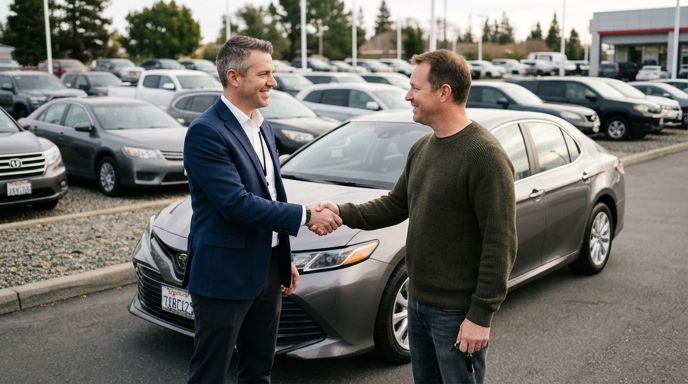


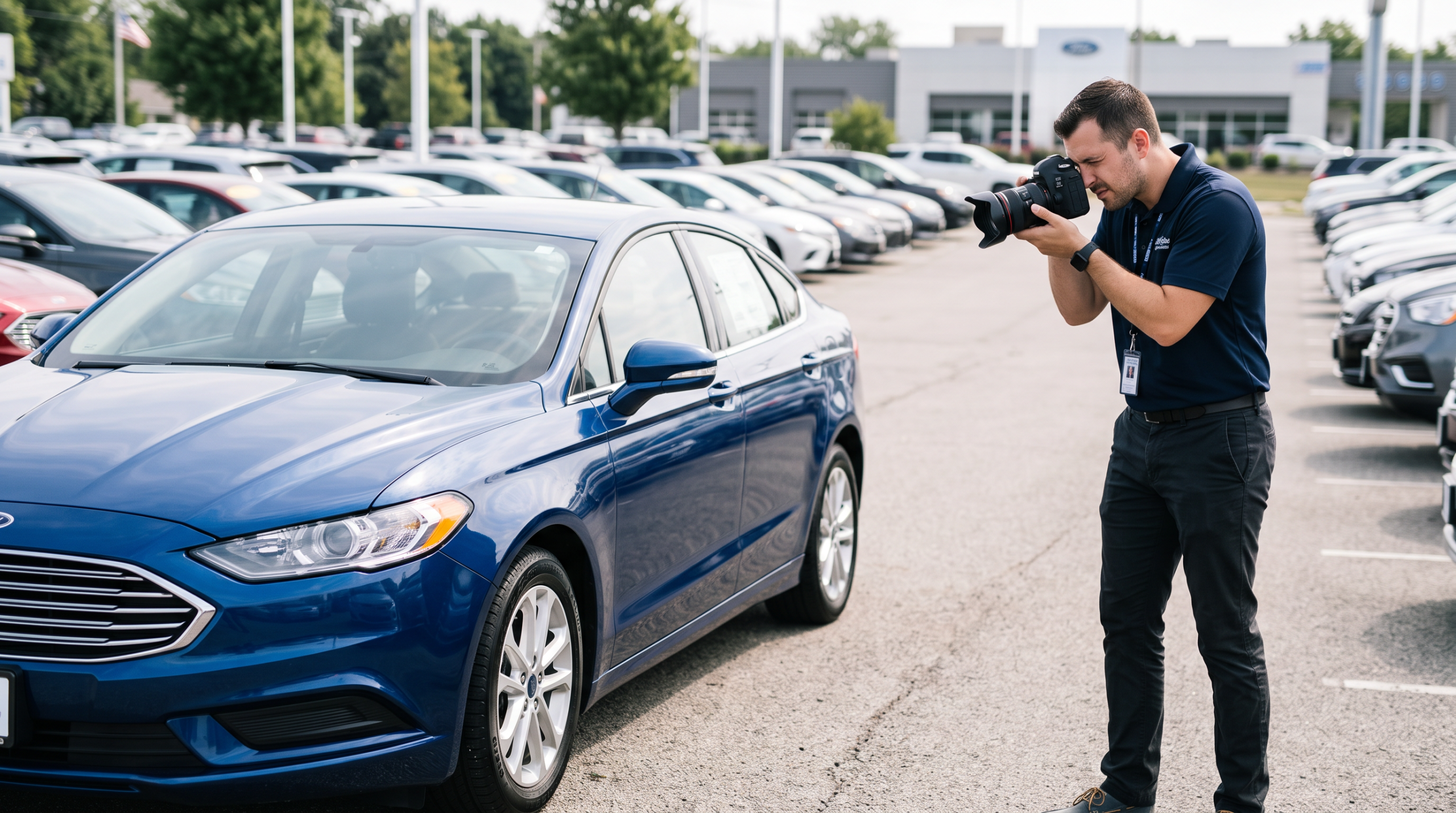
Why do VDP photos matter so much for selling used cars? Because the vast majority of used car shoppers research online and decide which vehicles are worth a closer look based on the photos alone. Your vehicle detail page photos are the first impression, and if the lead image does not stop the scroll, the car never gets considered no matter how well it is priced. Strong original photos directly raise VDP engagement and lead conversion. Here is how to get them right.
Most shoppers form an opinion about a car before they ever read the price or the description. Photos carry that first impression, which makes them one of the highest-leverage parts of your merchandising.
Why photos decide the sale
Shoppers scroll through dozens or hundreds of listings on their phones, making fast decisions about which ones deserve attention. A weak or generic lead photo gets skipped in that scroll, and a skipped car does not sell. Real, high-quality photos of the actual vehicle keep shoppers on the page longer and make them far more likely to reach out. Stock images or placeholder photos do the opposite.
The engagement gap is real. Listings with professional, original photography consistently pull more views and convert more of those views into leads than listings leaning on phone snapshots and filler imagery. That difference compounds across an entire inventory.
What good VDP photos include
Start with a strong lead image of the actual car, shot in good light against a clean background. Follow it with a full set that covers the exterior from multiple angles, close-ups of the wheels and any features that add value, and a thorough interior set, because that is where the buyer will spend their time. Include honest shots of any wear so the in-person visit matches the listing and you are not resetting expectations at the lot.
Keep the presentation clean. Small details like a seat set to a normal position, a reasonable interior temperature setting, and a lot of space around the car in frame communicate care without a word. If you brand your photos, limit it to the first image so the rest stay easy to scan on a small screen.
Common mistakes that cost leads
The biggest one is using stock or transit photos and leaving them up after the car arrives. Others include too few images, dark or cluttered backgrounds, missing interior shots, and heavy branding overlays that distract from the car on mobile. Each of these gives a shopper a reason to scroll past.
Fixing these does not require expensive equipment. Consistent process, good light, and original photos of every car promptly after it hits the line will move your VDP engagement more than most paid tactics.
Merchandising sells the car, but acquisition cost sets the margin. Our dealership ROI calculator for vehicle acquisition lets you model cost per unit across your sourcing channels so strong VDPs are working on profitable inventory.
Frequently asked questions
How many photos should a used car VDP have?
Enough to show the car honestly and completely, covering the exterior from multiple angles, close-ups of wheels and key features, and a full interior set. More quality images generally mean longer engagement and more leads, as long as they are original shots of the actual car.
Do professional photos really increase leads?
Yes. Listings with original, high-quality photography consistently outperform those using phone snapshots or stock images on both views and lead conversion. Photos are the first impression that decides whether a shopper engages at all.
Should I show damage or wear in photos?
Yes. Honest photos of wear set correct expectations, so the in-person visit matches the listing. That builds trust and avoids wasted trips that sour a potential buyer.
Is stock imagery ever acceptable?
Only temporarily, such as while a car is in transit and not yet on the lot. Replace stock or transit photos with original images of the actual vehicle as soon as it arrives.
If you want to add a competing-offer channel to your acquisition mix, it costs nothing to see how the Clairvo dealer network fits into the way you already source.
Dealers can also review current listings and requirements directly at dealerforesite.com before reaching out.