


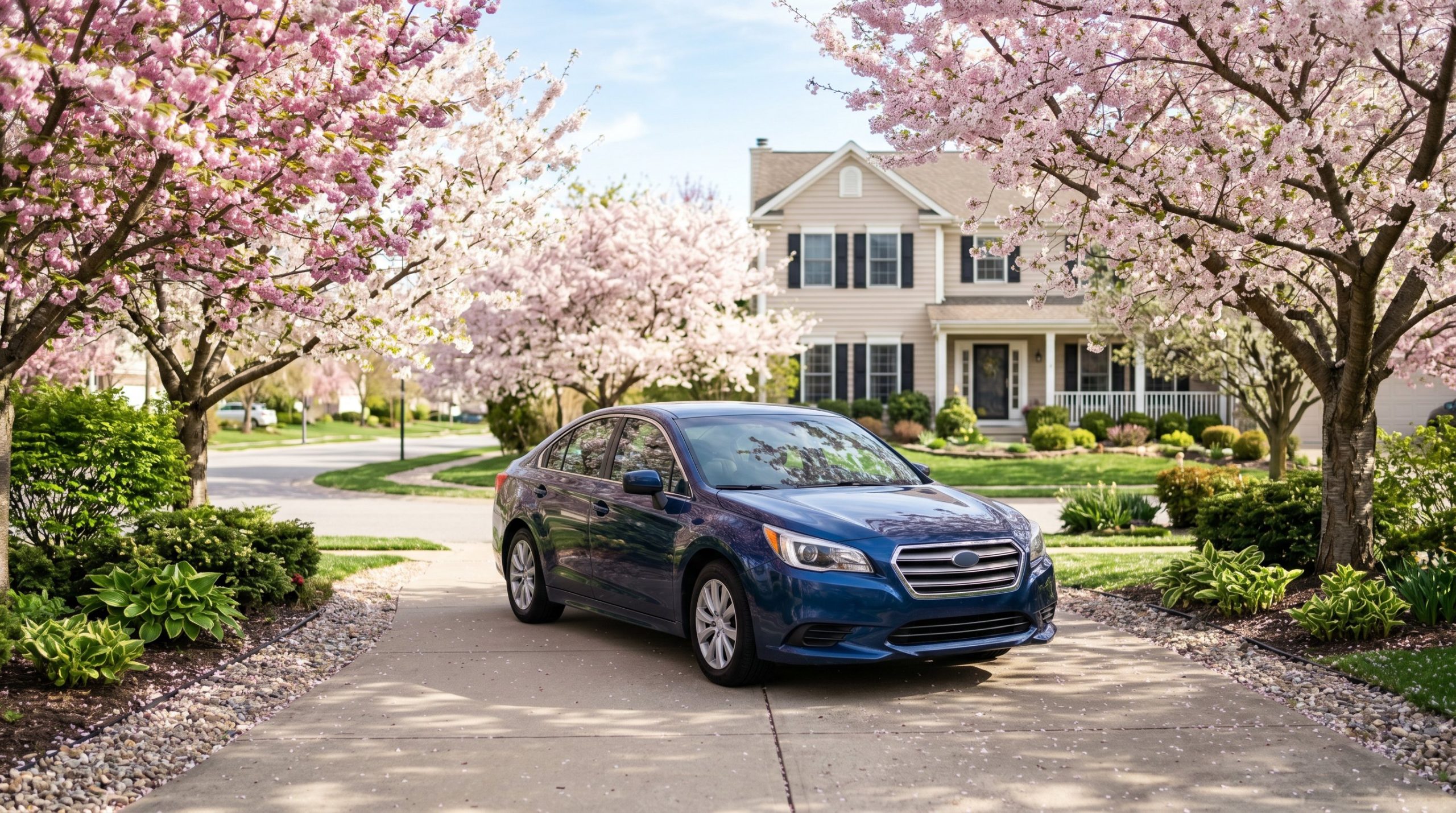
When is the best time of year to sell your car? Generally spring, March through May, when tax refunds put cash in buyers’ hands, dealer inventory needs peak, and warm weather lifts demand. That said, the best window depends on your specific vehicle, and getting competing offers when demand for it is high is what captures the seasonal premium.
The best time of year to sell most used cars is spring, generally March through May. Tax refund season puts cash in buyers’ hands, dealer inventory needs are highest as they prepare for peak summer selling, and warmer weather increases overall buyer activity. For most vehicles, selling in spring will produce stronger offers than selling in winter.
That said, the best season varies by vehicle type, and timing matters less than most sellers think when selling through a dealer rather than to a private buyer. Here is the full picture.
The Seasonal Breakdown
Spring (March – May): Strongest Overall
Spring is the strongest used car selling season for most vehicles. Three things converge to drive demand. First, tax refunds hit buyer bank accounts in February and March, giving people the down payment money they need to make a car purchase. Second, dealers are aggressively building inventory for the summer selling season. Third, warmer weather and longer days bring buyers out to lots in larger numbers.
For sedans, crossovers, and standard family vehicles, spring is when both dealer and private buyer demand peak. Sellers with flexibility in timing will generally do best by selling in this window.
Summer (June – August): Strong for Specific Vehicles
Summer is the peak season for trucks, SUVs, convertibles, and recreational vehicles. Demand for these segments rises significantly in the warmer months as buyers think about road trips, towing, and outdoor activities. If you own a truck or SUV, summer offers tend to be the strongest of the year.
For sedans and economy vehicles, summer is solid but not necessarily better than spring. The seasonal premium goes to vehicles that match summer use cases.
Fall (September – November): Softer Generally
Fall is generally the softest selling season for most vehicles. Buyer activity drops as summer ends and the back-to-school season pulls attention and budget elsewhere. Dealers have already stocked for summer and are now working to move existing inventory rather than aggressively building new stock.
The exception is end-of-model-year clearances on new cars, which can pull used car attention into the market. October and November can produce decent dealer offers as buyers trade up to new vehicles, but private sale activity is generally slower.
Winter (December – February): Weakest, With Exceptions
Winter is the weakest overall selling season for most vehicles. Cold weather depresses buyer activity, holiday spending crowds out vehicle purchases, and tax refunds have not yet arrived. Sellers can expect lower offers and longer time-on-market for private sales.
The clear exception is four-wheel-drive and all-wheel-drive vehicles. Winter is when buyers actively seek out trucks, SUVs, and AWD sedans, particularly in regions with significant snowfall. If you have a 4WD vehicle, winter can actually be the strongest time of year to sell.
Timing Factors Beyond the Season
Several timing factors operate independently of seasons and can matter as much or more than the time of year.
End of month and end of quarter. Dealers chasing inventory targets toward the end of the month or quarter may pay more for vehicles that round out their lot. This effect is real but unpredictable. Some months it matters, others it does not.
New model releases. When a redesigned version of your vehicle launches, the value of the outgoing generation typically drops as buyers shift attention to the new model. If you know a redesign is coming, selling before the announcement protects value.
Gas prices. Rising gas prices push demand toward fuel-efficient vehicles and depress demand for trucks and large SUVs. Falling gas prices do the opposite. If your vehicle’s segment is sensitive to fuel economy, gas price trends affect resale value in real time.
Does Timing Matter Less When Selling to a Dealer?
Yes, considerably. Dealers buy used cars year-round to feed their retail operations. Their offers do vary with seasonal demand for specific vehicle types, but the swings are smaller than what private buyers will pay in their respective peak seasons.
A truck in summer might attract a private buyer willing to pay closer to retail than a dealer would. The same truck sold to a dealer in summer might get a slightly stronger offer than in winter, but the difference is meaningfully smaller than the private market premium.
This is one reason multi-dealer platforms like Clairvo are useful regardless of season. When multiple dealers compete for the same car, the competition itself drives offers up, which partially offsets the seasonal softness of any individual time of year. Spring still produces stronger offers than winter on most vehicles, but the gap narrows when competition is present.
The Diminishing Returns of Waiting
If timing produces stronger offers in spring, why not just wait for spring? For many sellers, the answer is that the cost of waiting outweighs the seasonal upside.
Cars depreciate continuously. Every month of holding the vehicle adds depreciation that may exceed any seasonal premium you would gain by waiting. Insurance, registration, and routine maintenance also accumulate. If you are paying on a loan, interest continues to accrue.
For sellers who already know they want to sell, the best time to sell is generally now rather than waiting six months for spring. The exception is when you are within a few weeks of a clearly stronger window, in which case a short wait may pay off. Waiting six months for an extra five percent rarely makes sense once depreciation and carrying costs are accounted for.
Frequently Asked Questions
When is the best time of year to sell a car?
Spring (March through May) is the strongest overall selling season for most used cars. Tax refund season, increasing buyer activity, and dealer inventory building all converge to push offers higher. Summer is best for trucks, SUVs, and convertibles specifically. Winter is best for four-wheel drive and all-wheel drive vehicles.
Does it matter what time of year I sell to a dealer?
Less than you might think. Dealers buy year-round and their offers do not swing as dramatically with seasons as private buyer prices do. Selling in spring will generally produce slightly stronger dealer offers than winter, but the difference is smaller than the seasonal swing on the private market.
Should I wait for spring to sell my car?
Usually not, unless you are within a few weeks of spring already. Cars depreciate every month, and the carrying costs of insurance, registration, and continued loan interest typically exceed the seasonal premium you would gain by waiting. For sellers ready to sell, sooner is generally better than waiting for an ideal window.
What is the worst time of year to sell a car?
Winter (December through February) is the weakest overall season for most vehicles. Holiday spending crowds out vehicle purchases, cold weather depresses buyer activity, and tax refunds have not yet arrived. The exception is 4WD and AWD vehicles, which actually peak in winter as buyers seek them out for snow and ice driving.
Free to use. No obligation to accept. Licensed dealers only.


