


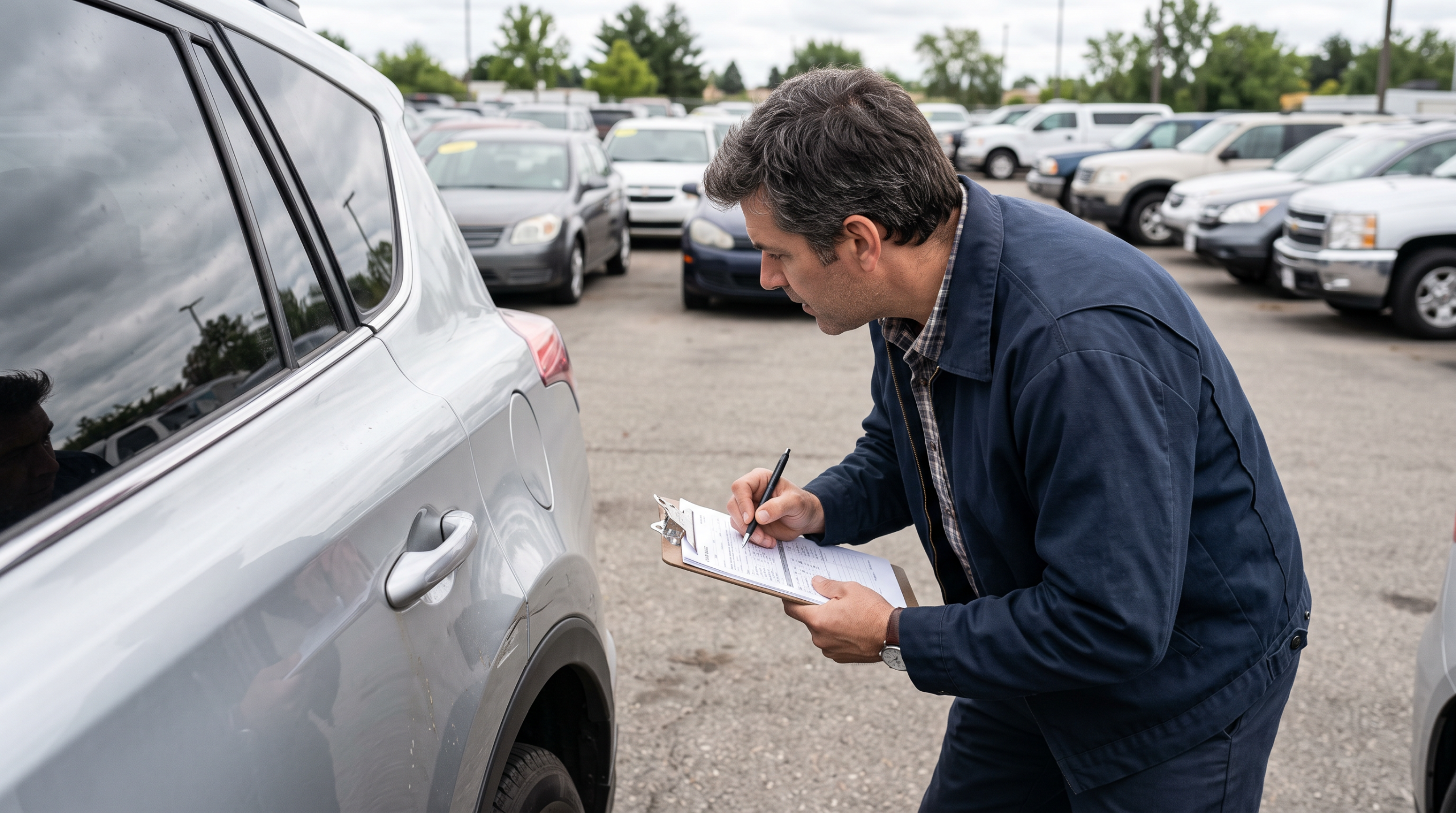
How do dealers value a trade-in? Dealers value your trade-in by starting from a wholesale benchmark for your car, then adjusting down for condition, mileage, and expected reconditioning, and up or down for current demand. They also build in room to resell at a profit. Understanding each step shows you why the offer looks the way it does and where you have room to push. Here is what happens behind the number.
A trade-in figure can feel arbitrary, but there is a consistent process behind it. Knowing that process is the difference between accepting a number and negotiating it. For the seller-side overview, see everything you need to know about trade-in offers.
Step 1: the wholesale benchmark
Dealers start from what your car is worth at wholesale, roughly what they could get for it at auction, using industry data sources. This is different from the retail price you see on a lot, which is why a trade-in never matches the sticker of a comparable car for sale. Our explainer on Black Book value covers one common wholesale benchmark.
Step 2: condition and mileage adjustments
From the benchmark, the dealer adjusts for your car’s actual condition, mileage, service history, and any accident record. Every issue that will cost them to fix comes off the number.
Step 3: reconditioning estimate
Dealers estimate what they will spend getting the car retail-ready, and that cost comes out of your offer. This is why cosmetic and mechanical issues you could address cheaply can reduce the figure more than they should. Reconditioning is a major factor in dealer margins.
Step 4: demand and turn expectations
A car the dealer expects to sell quickly can support a stronger offer; one they expect to sit gets discounted. Demand shifts by season and region, so timing matters.
Where you have leverage
Because the offer is built on estimates, it is negotiable, especially with a competing offer in hand. See how to get the highest offer and pair this with gathering multiple offers to test whether the valuation is fair.
Frequently asked questions
How do dealers determine trade-in value?
They start from a wholesale benchmark for your car, adjust for condition, mileage, and reconditioning cost, factor in current demand, and leave room to resell at a profit. The result is your trade-in offer.
Why is trade-in value lower than retail?
Because the trade-in reflects wholesale value minus reconditioning and the dealer’s margin, not the retail price a buyer pays on the lot. That gap is how the dealer covers costs and profit.
Does reconditioning cost affect my trade-in offer?
Yes. Dealers subtract their expected reconditioning spend from your offer. Addressing cheap cosmetic or mechanical issues before appraisal can prevent larger deductions.
Is dealer trade-in valuation negotiable?
Yes. Because the figure is built on estimates, it is negotiable, especially when you bring a competing offer that shows what another buyer will actually pay.


