


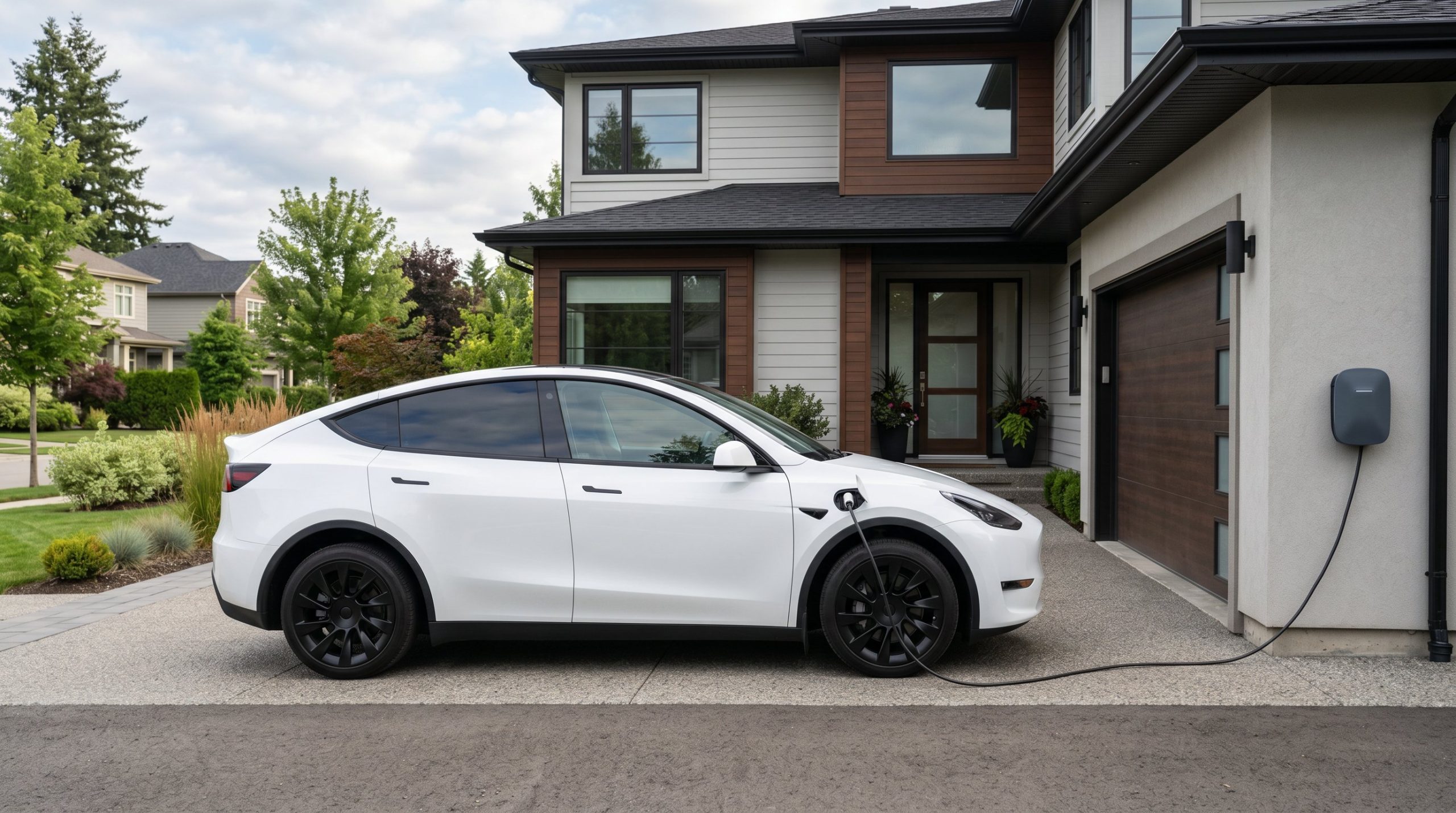
How do you sell a used EV in 2026? Differently than a gas car. The buyer pool is smaller and concentrated in certain markets, and valuation depends on battery health and tax-credit factors that do not exist for ICE cars. Getting competing offers from buyers who understand EVs is the most reliable way to a fair price.
Selling a used EV in 2026 is meaningfully different from selling a used ICE vehicle. The buyer pool is smaller and concentrated in specific markets. The valuation factors include things that do not exist for gas cars (battery state-of-health, tax credit transferability, charging infrastructure compatibility). The platform options are technically the same but produce different results because not every buyer is equipped to handle used EVs effectively.
This is the first-of-its-kind seller guide for the wave of EV owners selling in 2026. Roughly 300,000 EV lease returns are projected for the year, with significant additional volume from owners who purchased EVs during the 2022-2024 incentive surge. Whether you are returning a lease, exiting a vehicle that no longer fits your needs, or simply selling to upgrade, the process has specific patterns worth understanding.
Free to use. No obligation. See offers from licensed dealers with EV resale capability in your market.
Why Used EV Selling Is Different
Not Every Buyer Handles EVs
Many independent used car dealers do not actively buy EVs. The vehicles require different reconditioning expertise, the buyer pool is more concentrated, and the resale economics are less familiar to dealers who built their business on ICE vehicles. This narrows your effective buyer pool compared to selling an equivalent ICE vehicle.
Franchise dealers of the EV brand (or of brands with strong EV programs) tend to be the most aggressive buyers because they can run their own CPO programs. Multi-dealer platforms with vetted EV-capable dealers also work well. Single-buyer national platforms (Carvana, CarMax) buy EVs but their pricing models do not always reflect EV-specific factors as accurately as specialized buyers.
Battery Health Is the Most Important Single Factor
Used EV buyers care more about battery state-of-health (SOH) than any other single factor. A vehicle with 92 percent original capacity retention is worth meaningfully more than the same model with 78 percent retention, even at identical mileage. If your EV has higher mileage but documented strong battery health, the SOH can offset a meaningful portion of the mileage penalty.
Most EVs make battery health visible through the manufacturer’s app or service tools. Tesla shows estimated range and degradation patterns in the app. Hyundai, Kia, and Ford show battery capacity readings through service diagnostics. Documented battery health (printout or screenshot) supports stronger offers.
Charging Infrastructure Affects Regional Pricing
Used EV demand correlates strongly with local charging infrastructure density. A used Tesla Model Y in Los Angeles or the San Francisco Bay Area attracts a much larger buyer pool than the same vehicle in rural Wyoming or Iowa. If you live in a low-infrastructure market, your effective resale pool may include buyers from other regions who arrange transport. This typically means going through multi-dealer platforms or specialty EV buyers rather than relying solely on local sellers.
Tax Credit Eligibility Affects Buyer Pricing
The federal used EV tax credit ($4,000 maximum) has specific eligibility requirements: the vehicle must be at least two years old, priced under $25,000, and the buyer must meet income requirements. Vehicles priced above $25,000 do not qualify for the credit, which means buyers do not get the tax benefit. This affects pricing because buyers’ effective budget is lower without the credit. Lower-priced used EVs (Bolt, Leaf, certain Mach-E and ID.4 configurations) often command stronger relative pricing because they qualify for the credit.
How to Prepare Your Used EV for Sale
Document Battery Health
Take screenshots from your manufacturer’s app showing current battery capacity, recent charging behavior, and any available range estimates. If your vehicle supports it, schedule a service appointment for a documented battery health report. This documentation supports stronger offers and reduces buyer-side uncertainty.
Confirm Manufacturer Warranty Status
Most EV batteries are covered by 8-year or 100,000-mile warranties, whichever comes first. Buyers want to know how much warranty coverage remains. Confirm the warranty status with the manufacturer and document the remaining coverage. This is especially important for higher-mileage EVs where remaining warranty is a meaningful portion of perceived value.
Complete Outstanding Recalls and Software Updates
EVs receive frequent software updates and occasionally have recalls related to battery management, charging, or safety systems. Buyers prefer vehicles that are fully up to date. Complete any pending recalls before listing and run any available software updates. The dealer or service center can confirm completion.
Charging Equipment and Accessories
Include any included charging equipment (Level 1 cord, adapters, home charging cable if you have one separately) in the sale. EV-specific accessories (winter tires, roof racks designed for the vehicle, mud flaps) also support stronger offers because they reduce what the new owner needs to source separately.
Free to use. No obligation. Multiple licensed dealers compete to buy your EV.
Where to Sell Your Used EV
Franchise Dealers of Your EV’s Brand
Franchise dealers of the brand can run manufacturer CPO programs that produce higher retail margins than independent resale. This means they can pay more for your specific vehicle than non-franchise buyers in many cases. A Hyundai dealer pricing your Ioniq 5 can run it through Hyundai CPO; a non-Hyundai store cannot.
Tesla Specifically
Tesla operates a direct trade-in program for owners who want to upgrade to a newer Tesla. The trade-in offers are typically competitive but rarely the highest. Tesla also accepts trade-ins on non-Tesla vehicles, which is less commonly known. If you are not buying another Tesla, you usually get better offers from third-party buyers than from Tesla directly.
Multi-Dealer Platforms
Multi-dealer platforms work well for used EVs because they aggregate multiple potential buyers and let you see competing offers. The platforms typically vet participating dealers, which means the dealers who bid on your vehicle are equipped to handle the EV-specific transaction. Clairvo operates this way and includes EV-capable dealers in major markets.
National Single-Buyer Platforms (Carvana, CarMax)
Both buy used EVs but the offers are usually less competitive than franchise dealers or multi-dealer platforms for higher-end EVs. For lower-priced EVs (Bolt, Leaf, base Mach-E configurations) the national platforms can be competitive because the broader buyer pool is value-oriented and the platforms’ national distribution supports those buyer demographics.
Specialty EV Buyers
Some markets have specialty used EV dealers who focus exclusively on the segment. These buyers tend to pay top dollar for clean, well-maintained EVs because their business depends on consistent EV supply. They are most common in California, the Pacific Northwest, and major Northeast metro areas.
Pricing Expectations by EV Category
Premium EVs (Tesla Model Y, Model 3, Mach-E, Lightning)
Premium EVs have held value reasonably well into 2026, though depreciation has resumed at normal rates after the unusual appreciation period of 2021-2022. Expect offers within 5 to 15 percent of comparable ICE depreciation curves, with battery health and trim configuration as the main variables.
Mainstream EVs (Ioniq 5, EV6, ID.4, Polestar 2)
Mainstream EVs face more depreciation pressure than premium EVs because the value proposition relies more heavily on the tax credit dynamics that drove original purchase. Expect offers around 60 to 75 percent of original sticker for 2-3 year old vehicles, with significant variation by market.
Value EVs (Bolt, Leaf, base Mach-E)
Value EVs have been hit hardest by depreciation but also qualify most cleanly for the used EV tax credit, which supports demand. Expect offers around 50 to 65 percent of original sticker for 2-3 year old vehicles. The Chevy Bolt specifically has seen renewed buyer interest as the discontinued model becomes scarcer in the used market.
Frequently Asked Questions
How do I sell my used EV in 2026?
Start by documenting battery health (screenshots from the manufacturer’s app, service diagnostic readings if available), confirming remaining manufacturer warranty coverage, and completing any outstanding software updates or recalls. Then submit your vehicle to multiple EV-capable buyers: franchise dealers of your brand, multi-dealer platforms with vetted EV dealers, and national platforms like Carvana or CarMax. Compare offers and select the strongest one. Multi-dealer platforms typically produce the highest offers for premium EVs in EV-strong markets.
What is my used Tesla worth in 2026?
Depends on the specific model, year, mileage, battery health, and your market. Tesla Model Y typically commands strong used pricing in EV-strong markets (California, Pacific Northwest, Northeast metros). Used Model 3 pricing has softened as the new Model 3 base price came down. Battery health is the largest single variable: a Tesla with 92 percent estimated capacity retention is worth meaningfully more than the same model with 80 percent. Get actual offers from Tesla trade-in, franchise dealers, and multi-dealer platforms for an accurate read.
Which dealers buy used electric vehicles?
Franchise dealers of the EV brand are typically the strongest buyers because they can run manufacturer CPO programs. Multi-dealer platforms with vetted EV-capable dealers also work well because they aggregate multiple potential buyers. National platforms (Carvana, CarMax) buy EVs but their pricing models are sometimes less optimized for EV-specific factors. Many independent used car dealers do not actively buy EVs because the vehicles require different reconditioning and resale expertise.
Does battery health affect used EV value?
Significantly. Battery state-of-health is the most important single factor in used EV pricing, often outweighing mileage. A vehicle with 92 percent original capacity retention is worth meaningfully more than the same model with 78 percent retention at identical mileage. Documented battery health (screenshots from the manufacturer’s app, service diagnostic reports) supports stronger offers because it reduces buyer-side uncertainty.
Should I sell my used EV to Carvana or a dealer?
Depends on the vehicle. For premium EVs (Tesla Model Y, higher-trim Ioniq 5 or Mach-E), franchise dealers and multi-dealer platforms typically pay more than Carvana because they can capture CPO margin. For value EVs (Bolt, Leaf, base trims), Carvana can be competitive because their national distribution supports the value-oriented buyer pool for these vehicles. Always get offers from both and compare.
Free to use. No obligation. Multiple licensed EV-capable dealers compete for your car.