


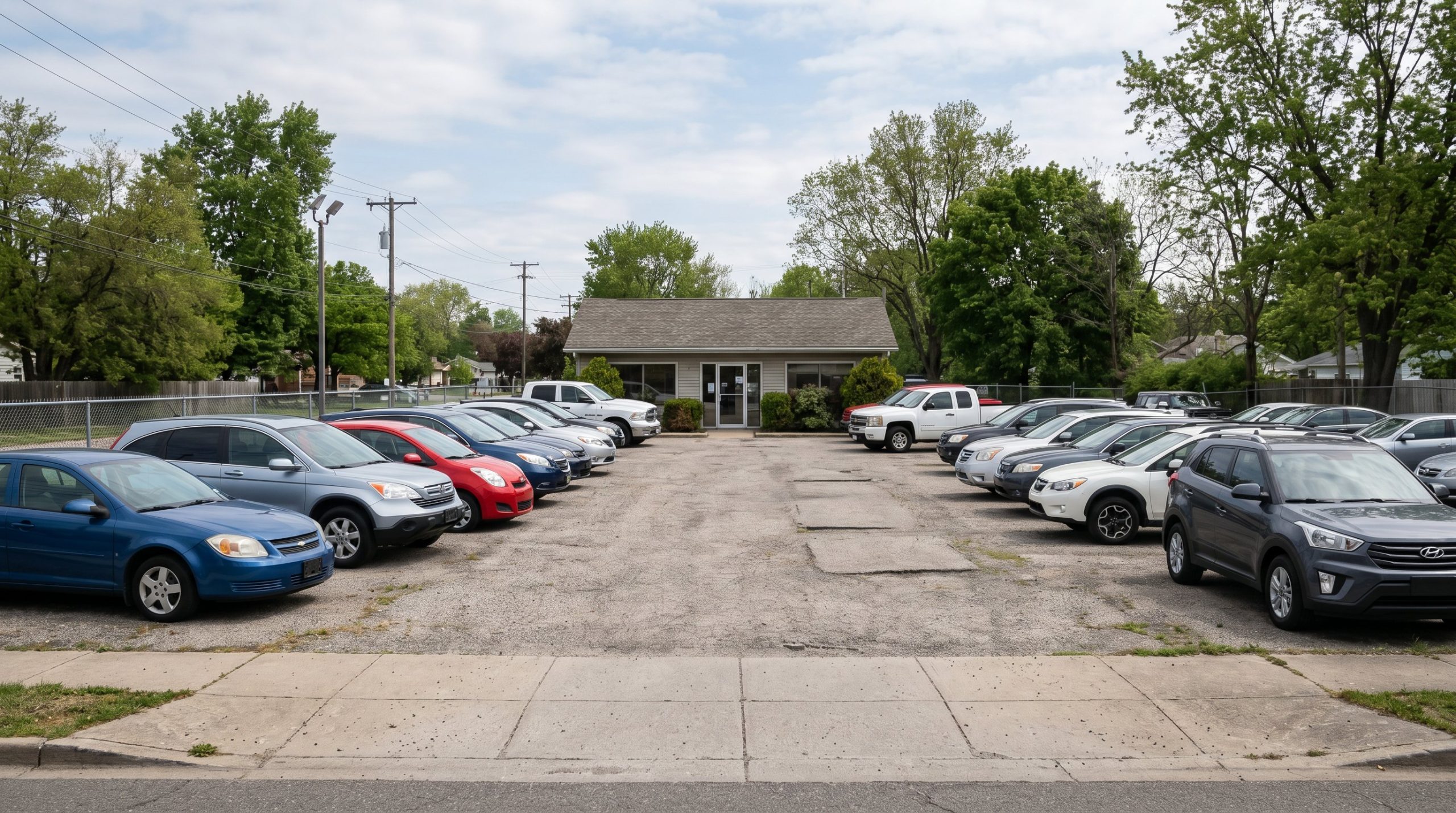
What is causing the 2026 used car inventory shortage, and how does it affect sellers? Structurally tighter supply from low pandemic-era lease and production volume has kept wholesale prices elevated. For sellers, that is good news: scarcity means dealers are competing harder for clean used cars, so getting competing offers now can capture unusually strong prices.
The used car market in 2026 is structurally different from the market most sellers remember from before the pandemic. Supply is meaningfully tighter. Wholesale prices remain elevated despite some recent softness. Specific vehicle categories are appreciating while others are dropping faster than usual. Almost none of this is happening for the reasons most sellers assume.
This piece covers the macro story behind the 2026 used car inventory situation: what is actually causing the shortage, why it is not resolving on the timeline most people expect, and what it means for sellers who are deciding whether to sell now or wait. Most of the analysis below is also covered from the dealer side, but the seller implications differ enough to warrant a separate breakdown.
Free to use. No obligation. Real binding offers from multiple licensed dealers in your area.
The Core Cause: A Years-Long Lease Origination Gap
The single biggest driver of the 2026 used car inventory shortage has nothing to do with the new car market or current consumer demand. It is a delayed echo of vehicle leasing activity from 2021 through 2024, when lease originations dropped well below pre-pandemic norms. Our detailed analysis of the off-lease shortfall covers this from the industry perspective. The short version is below.
Pre-Pandemic Lease Volumes Were Around 4.5 to 5.5 Million Units Annually
Through most of the 2010s, US lease originations ran at 4.5 to 5.5 million vehicles per year. These vehicles returned to the used market three years later as off-lease inventory: relatively low-mileage, well-maintained, single-owner used cars that formed the core of franchise dealer CPO programs and the cleanest tier of auction inventory.
Pandemic and High Interest Rates Crushed Lease Originations from 2021 Through 2024
Lease originations dropped to roughly 1.5 to 2.5 million units annually during 2021-2024. New car shortages made manufacturers less willing to subsidize leases. Elevated interest rates made leasing comparatively unattractive to consumers. The result was a four-year window where the lease pipeline that normally produces used inventory three years later was running at a fraction of historical volume.
The 2024-2027 Off-Lease Drought
Vehicles leased in 2021 returned in 2024. Vehicles leased in 2022 returned in 2025. The trend continues through 2027 (when 2024 leases mature). Each of those years sees off-lease return volume at 50 to 70 percent of historical norms. The 2026 projection of roughly 3.2 million off-lease returns sounds reasonable in isolation but represents a structural shortfall against a system designed to absorb 5 million-plus units annually.
The Secondary Cause: Vehicles Are Lasting Longer
Beyond the lease pipeline, US vehicles are staying with original owners longer than they used to. Average length of vehicle ownership has risen from roughly 6 years in 2010 to over 8 years in 2026. This delays when vehicles enter the used market regardless of how they were originally acquired.
Several factors contribute: improved vehicle reliability and longevity, higher interest rates that make trading in less attractive, sustained high used car prices that reduce trade-in equity for many owners, and growing comfort with keeping older vehicles. The cumulative effect is that supply of any age band of used vehicles is constrained because owners are holding longer at every age.
Why This Creates an Opportunity for Sellers
Tight used supply means dealers and consumer buyers are competing for the available inventory. The implications for sellers are mostly positive, with some specific exceptions.
Wholesale Prices Remain Above Pre-Pandemic Norms
Despite some softening in 2025, wholesale used car prices in 2026 remain meaningfully above pre-pandemic levels. The Manheim Index and similar wholesale benchmarks show used vehicle prices roughly 25 to 35 percent above 2019 levels in nominal terms. Sellers receiving offers in 2026 are getting more for their vehicles than sellers would have received for equivalent cars five years ago.
Dealer Acquisition Effort Has Intensified
With auction supply constrained, dealers are working harder to acquire vehicles directly from consumers. Service drive sourcing, CRM equity outreach, and multi-dealer acquisition platforms are all growing because dealers cannot fill their inventory needs through traditional auction channels alone. From the seller side, this means more dealers actively want your specific vehicle than would have been the case in a healthy supply year. Multi-dealer platforms structure this dealer competition transparently.
Specific Vehicles Are Appreciating Rather Than Depreciating
Clairvo market analysis has identified specific vehicles projected to gain 15% or more in value from June to July 2026. This is structurally unusual for used vehicles, which normally depreciate continuously. The appreciation reflects acute supply shortages on specific models combined with sustained demand. Sellers whose vehicles appear on these lists are in a particularly strong selling position right now.
The Exceptions: Where the Shortage Does Not Help Sellers
Not all vehicles benefit from the macro shortage. Three specific categories are seeing weaker pricing than the broader trend suggests.
Vehicles With Recent Discontinuations or Model Updates
When a manufacturer discontinues a model or releases a meaningful redesign, the outgoing version often depreciates faster than the broader market. Recent examples include various sedan platforms being phased out across multiple manufacturers as those companies shift to SUVs and EVs. Clairvo market analysis has identified specific vehicles projected to lose 15% or more in value from June to July 2026 for this reason.
Higher-End Vehicles With Soft Demand
Luxury vehicles, particularly older luxury sedans, are seeing softer demand even in a tight market. Buyers in the luxury used segment are price-sensitive in ways that the broader market is not, and the supply constraint that helps mainstream vehicles does not produce the same effect at higher price points.
EVs With Battery Concerns
Used EV pricing has softened on models with known battery degradation patterns or limited charging infrastructure markets. The broader EV market is healthy, but specific older EVs and EVs in low-infrastructure regions are not benefiting from the macro shortage the way ICE vehicles are.
Free to use. No obligation. Multiple licensed dealers compete to buy your car in the current market.
What This Means for the Sell Now Versus Wait Decision
The supply shortage will not resolve quickly. Off-lease volumes do not return to historical norms before 2028 at the earliest, and vehicle ownership length is unlikely to drop materially. This means the current strong selling environment is likely to persist for most of the next two to three years.
That said, individual vehicles do not always track the macro trend. A vehicle on the depreciation list is losing value faster than the macro market is rising. A vehicle on the appreciation list may continue to gain through 2026 but eventually plateau. The right answer for any specific seller depends on which list (if either) their vehicle appears on and what their personal timeline looks like.
The general guidance for 2026 is: if your vehicle is appreciating or holding value well, you have flexibility on timing. If your vehicle is depreciating quickly, the sooner the better. Our broader analysis of the best time of year to sell a car covers seasonal patterns that layer on top of this macro analysis.
Frequently Asked Questions
Why are used car prices still high in 2026?
The biggest driver is a multi-year shortfall in vehicle leasing activity from 2021 through 2024, which reduced the supply of off-lease vehicles returning to the used market in 2024-2027. Pre-pandemic lease originations ran 4.5 to 5.5 million units annually; during 2021-2024 they ran 1.5 to 2.5 million units. The resulting off-lease drought means used inventory is structurally tight. A secondary factor is longer average vehicle ownership: US owners now keep vehicles over 8 years on average versus 6 years in 2010.
Is 2026 a good time to sell a used car?
For most vehicles, yes. Wholesale used car prices remain 25 to 35 percent above pre-pandemic levels in nominal terms, dealer acquisition effort has intensified due to constrained auction supply, and specific vehicle categories are appreciating rather than depreciating. The main exceptions are recently discontinued or redesigned models, older luxury sedans, and EVs in low-infrastructure markets, all of which are seeing softer pricing than the macro trend suggests.
When will used car supply get back to normal?
Not before 2028 at the earliest. The lease originations that would mature into 2028 off-lease supply happened in 2025, when lease activity was still well below pre-pandemic norms. The pipeline that produces normal used supply requires several years of healthy lease activity, which has not yet happened. The supply constraint is structural rather than cyclical.
Should I sell my car now or wait six months?
It depends on whether your specific vehicle is appreciating, holding value, or depreciating in the current market. Clairvo market analysis has identified 39 specific vehicles projected to drop 15% or more between June and July 2026 and 27 vehicles projected to gain 15% or more in the same window. Sellers whose vehicles are on the depreciation list typically benefit from selling sooner. Sellers whose vehicles are on the appreciation list or holding value steady have more flexibility on timing.
Why are some specific vehicles appreciating instead of depreciating?
Some vehicles are seeing acute supply shortages combined with sustained demand, which produces real appreciation rather than the normal depreciation curve. The drivers are specific to each vehicle: model discontinuations that suddenly make remaining inventory scarce, segment shifts that concentrate demand on specific remaining models, or local market dynamics that affect certain regions disproportionately. The appreciation is usually temporary (vehicles eventually depreciate even in tight markets) but can persist for months on specific models.
Free to use. No obligation. See what dealers are actually paying for your car right now.


